
Coal Stocks Rising
| Author: Madi Watt — Analyst |
In recent months, the world has taken a different trajectory from what was charted at the COP26 climate summit in the third quarter of 2021. At this summit, 197 countries had formed an agreement to draw down fossil fuel subsidies; the end of coal was in sight. However, according to BCA Research, the renewable energy transition will be prolonged by the shift in investment towards traditional energy sources and increased military spending. This is because over the next five to 10 years, investment in conventional energy will be necessary to amend Europe’s dependence on Russian oil and gas.
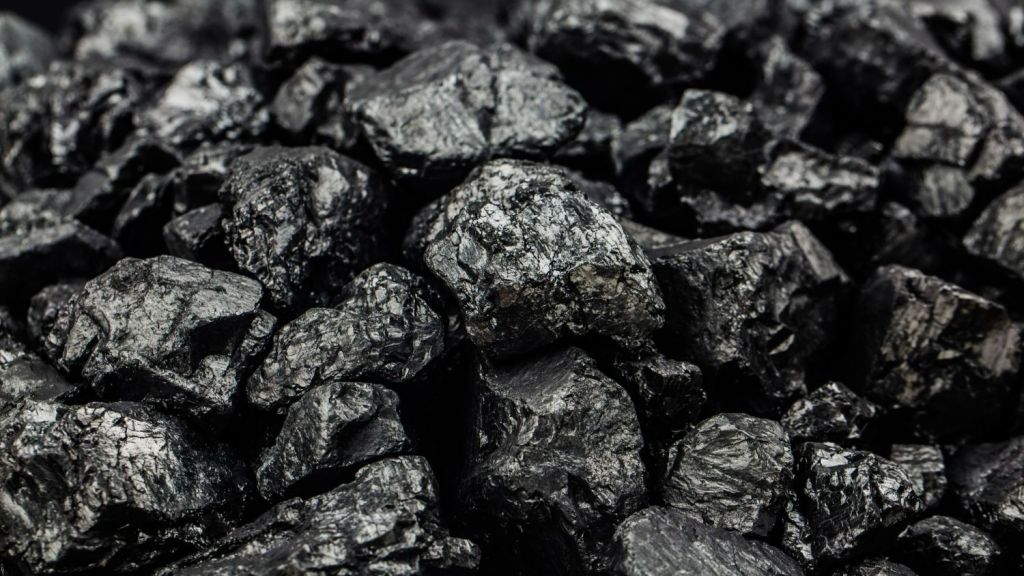
As outlined by the Financial Times, global coal use surged over the winter which caused emissions to rise. Meanwhile, clean energy installations fell below the quantities needed to reach climate targets. This “coal comeback” can be attributed to the surging post-pandemic economic recovery leading to a higher demand for power (even in countries with lofty environmental goals). For example, U.S. coal-fired power generation was higher in 2021 than it was in 2019; in Europe, coal power rose 18 percent in 2021—its first increase in almost 10 years.
All this was prior to Russia’s invasion of Ukraine, which resulted in a global energy crisis. Countries (especially European ones) began to look for ways to detach themselves from Russian oil and gas and started to reconsider timelines of commitments to reduce fossil fuel use. According to one economist, because of this, the U.S. will likely have increased oil and gas output in the short term, the North Sea may see further investments, and E.U. coal consumption could continue to increase thanks to spiraling gas prices.
Further, the IEA’s short-term energy outlook states that U.S. coal production is expected to increase by about four percent in 2022, and by another one percent in 2023. This increased production of coal will aid rising export demand and replenish coal inventories at power plants that were depleted in 2021.
On a more positive note, on Tuesday of this week, the European Commission outlined a plan to make Europe independent from Russian fossil fuels well before 2030 in response to Russia’s invasion of Ukraine. This plan also addresses various ways to respond to rising energy prices and to replenish gas stocks for next winter, with the goal of reducing EU demand for Russian gas by two thirds before the end of the year.
| Still curious? Read more of our insights HERE. |
 INVESTED: In Markets, in the Future, and in Society.
Leave a comment