
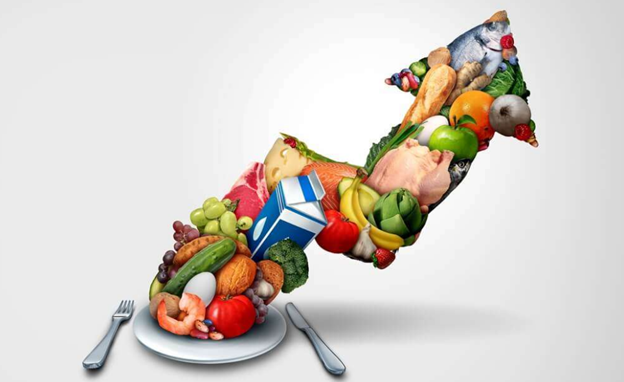
Reading this blog post titled “Commodities for Breakfast” from the S&P Global Indexology Blog, I could not help but think that the S&P GSCI Dynamic Roll Breakfast index was providing a solution to a problem that almost no one had. As proudly stated by S&P, there is now “a reliable and publicly available benchmark for the performance of the most liquid commodities typically consumed at breakfast”. Well, hooray for that innovation. But unlike so many other stories that have been popping up recently that bemoan food prices like; Inflation: Here’s how much more your Memorial Day BBQ will cost this year, the “Commodities for Breakfast” blog post does make some important points about strategy methodology and development.
First, the creation of the index helps to show that there are many other inflation hedges beyond energy and gold. There are many globally traded commodities that have sufficient liquidity to be part of an efficient commodity portfolio. As highlighted in this index, corn, wheat, lean hogs, sugar, and coffee are all globally liquid commodities and each appears in the Viewpoint Commodities Fund.
Second, this index highlights the critical point that not all strategies should be weighted by production levels or market capitalization. To include orange juice in the index, a liquidity-based allocation methodology was incorporated into the index. Like many other commodity indices, the remainder of the index is production weighted. Production weighting can lead to higher levels of risk due to inordinate weights in energy. The Viewpoint Commodity Fund targets a smoother return stream considering both volatility and changing correlation structures in determining commodity allocations.
Lastly, the blog post points out that food inflation is a growing risk that has become top of mind for global governments, inter-governmental organizations, and global central bankers. With Russia’s attack on the Ukraine disrupting global food and energy supplies to an unprecedented degree, commodities are impacting the global economy from both a societal and environmental perspective. With wheat exports being blocked and fertilizer shipments being curtailed, we may be on the precipice of what could become a global food shortage.
As highlighted in the Reuters article, Talk to Ukraine about ports, not us, says Russia ahead of U.N. talks in Moscow, the ongoing Russian attacks on the Ukraine have put a chill on the supply of many global commodities. Russian oil, natural gas, and fertilizer exports have been barred by sanctions or disrupted by “logistical, transport, insurance, bank transfer problems”. Ukraine supplies roughly one-third of global exports of wheat and is considered Europe’s breadbasket.
Only 90 days into the Russian war on the Ukraine, War-fueled food inflation will cause social unrest, UN official says with recent protests already occurring in Pakistan, Sri Lanka, and elsewhere. The UN will be forced to ration food supplies to millions of people around the world — diverting food away from hungry children to feed starving children. As the war continues, the geopolitical tensions will lead to persistent supply chain bottlenecks and food protectionism will come to the fore. One example is India’s nascent plans, the world’s largest exporter of sugar, to restrict exports to prevent a surge in domestic prices could put additional pressure on global sugar supplies.
Hoarding, export restrictions, and supply disruptions can all have a significant impact on the pricing of commodities. Given that we do not know when and in what commodities these impacts may arrive, it is imperative to take a broadly diversified, risk-aware approach to commodity investing. For accredited investors that are underweight in commodities, an allocation to the Viewpoint Commodities Fund would provide efficient and diversified exposure to commodities including a meaningful allocation to value stores.
 INVESTED: In Markets, in the Future, and in Society.
Leave a comment